General Medicine
Bedside teaching and clinical postings that run from the second professional year through internship.
Real hospital exposure from the first professional year — supported by 10+ clinical tie-ups and daily campus-to-hospital transport.
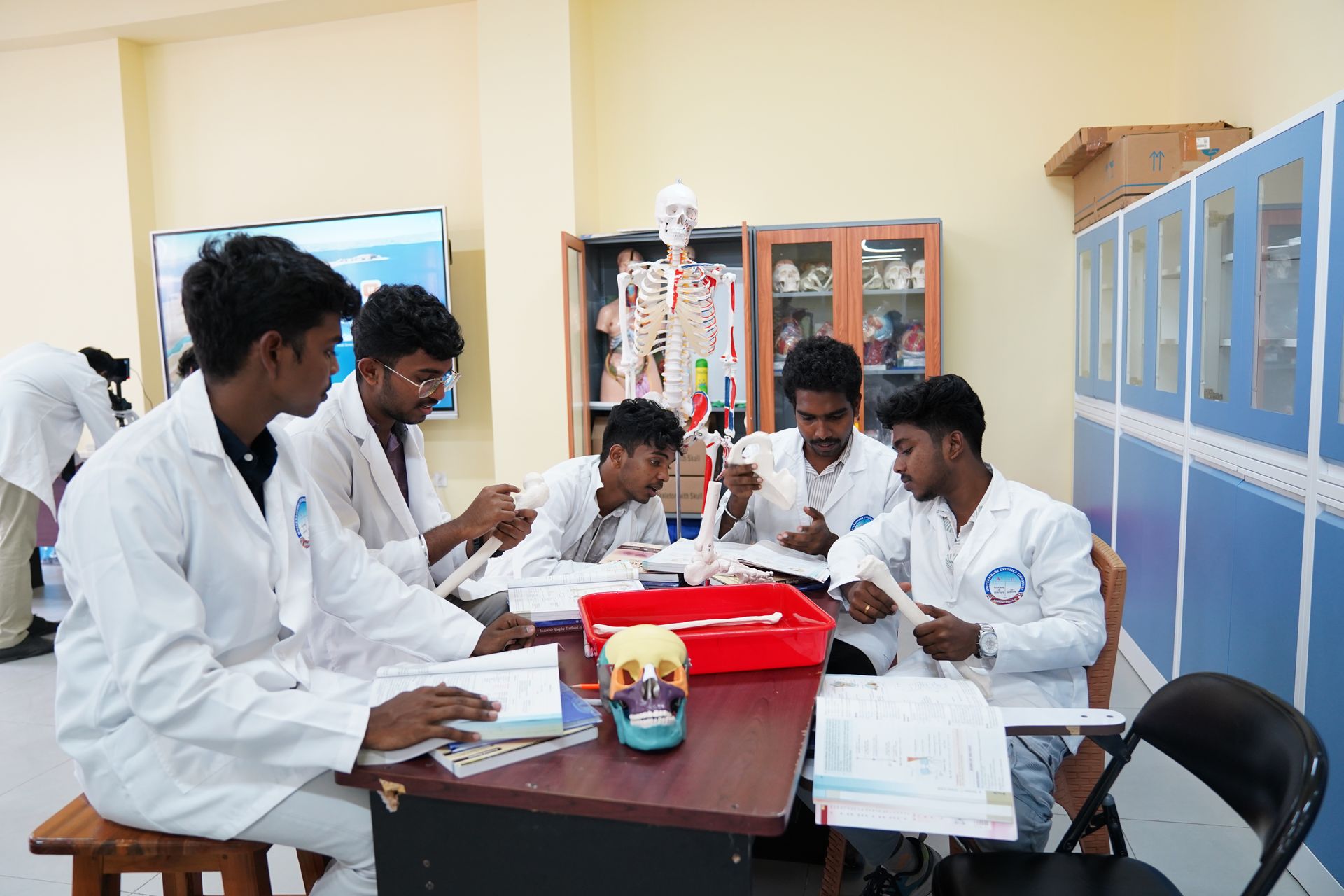
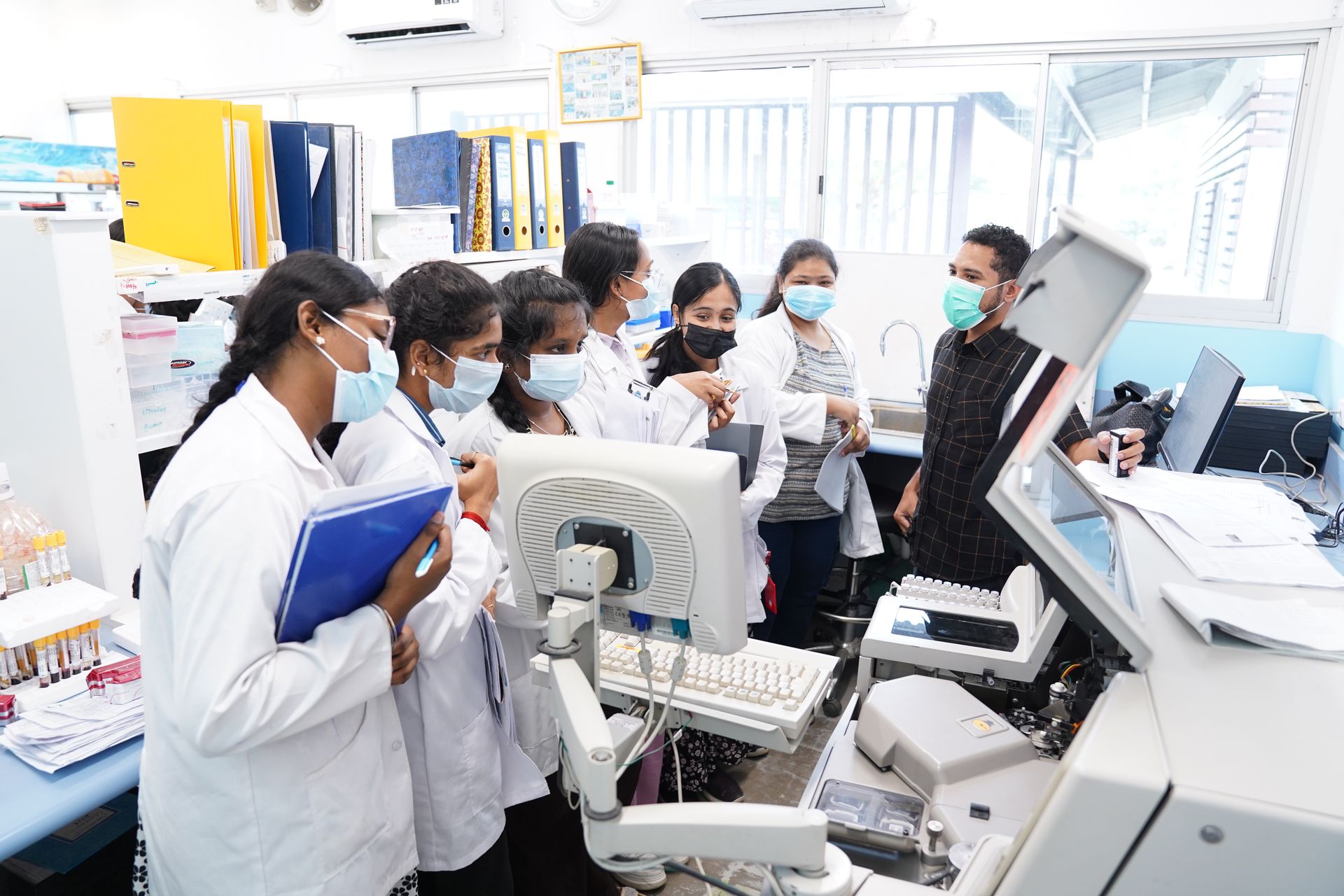
Hands-on hospital training sits at the centre of UCT's MBBS program. Students begin early clinical exposure in the first professional year, continue structured postings through every later phase, and complete a one-year compulsory internship. Official university materials list 10+ clinical hospital tie-ups, with daily shuttle transport between campus and hospital postings in Díli.
Explore Skill Labs First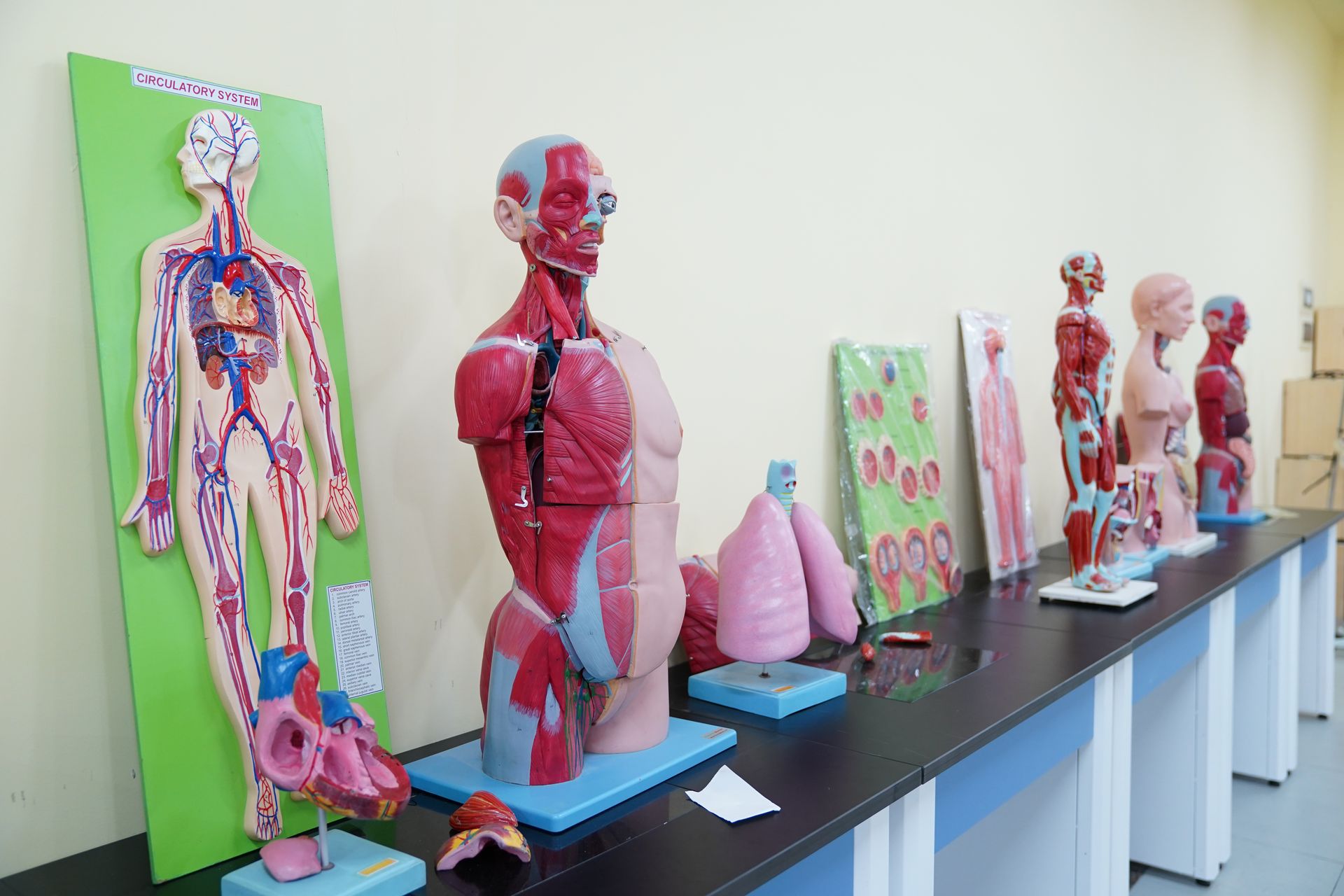
Postings follow the official MBBS syllabus — medicine, surgery, pediatrics, obstetrics & gynecology, community medicine and allied subjects.
Bedside teaching and clinical postings that run from the second professional year through internship.
Hospital-based training in general surgery, orthopedics, ENT and ophthalmology.
Child-health rotations in the third professional years, building towards internship.
Women's-health postings as part of the later professional phases and internship year.
Family Adoption Program, community visits and public-health postings from Phase 1.
Medicine-allied postings including psychiatry, dermatology and respiratory medicine.
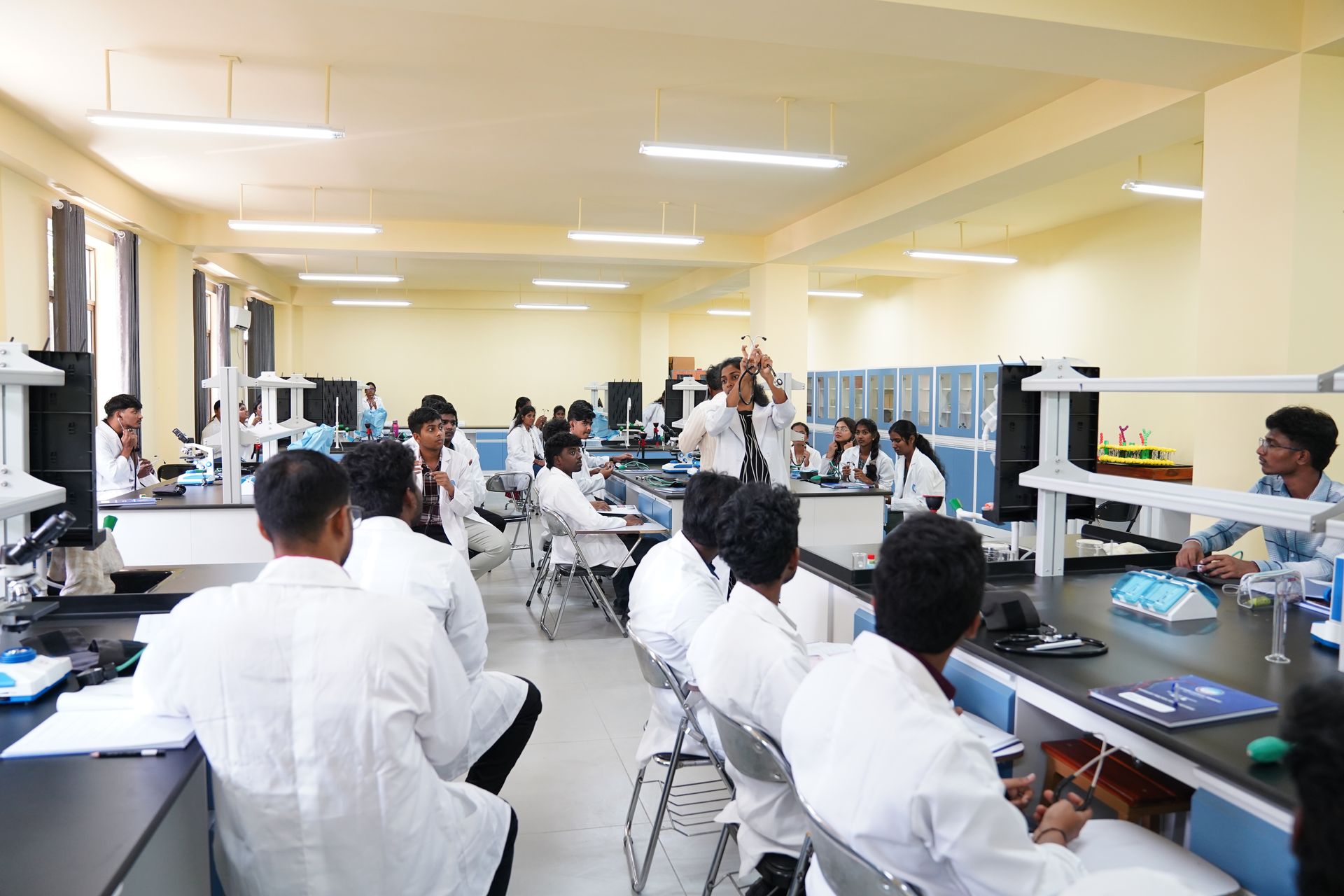
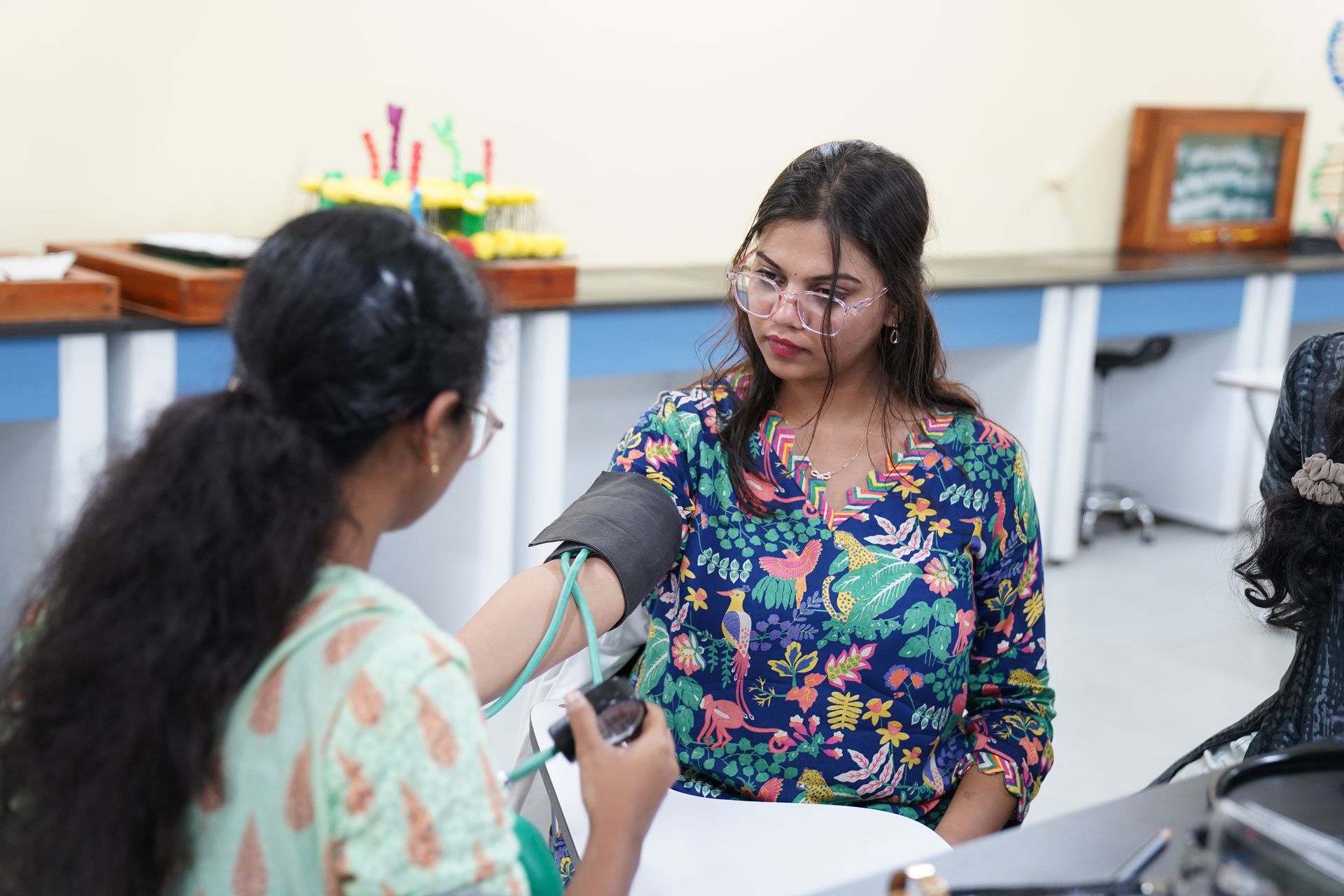
Skill labs and high-fidelity simulation prepare students for patient care in a controlled environment before hospital postings.
The first professional year already includes ECE, community medicine and the Family Adoption Program.
Clinical postings continue through Phases 2 and 3 in medicine, surgery, pediatrics, obstetrics & gynecology and allied subjects.
A compulsory 12-month internship completes the 5.5-year program, with licensing eligibility in Timor-Leste after internship.
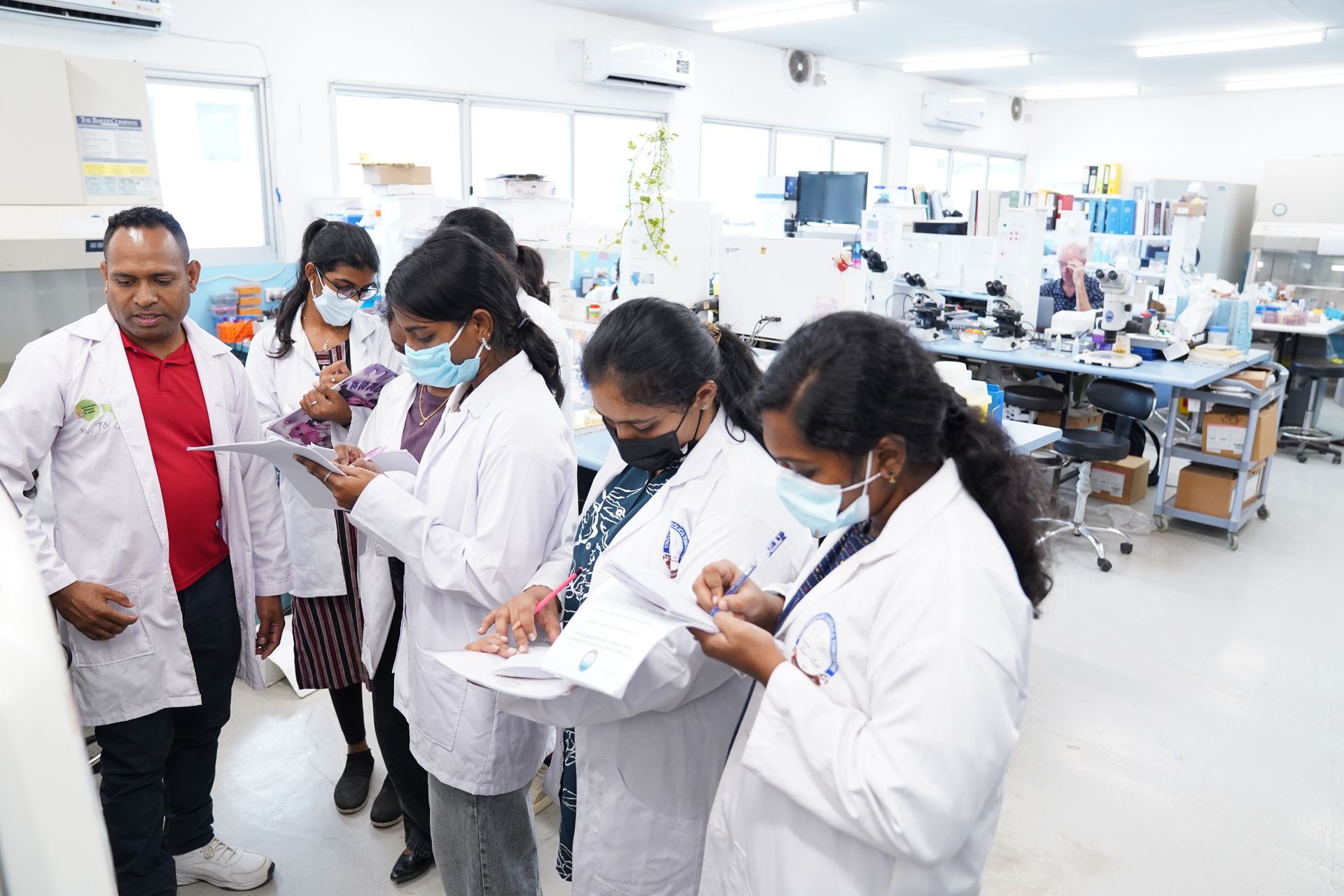
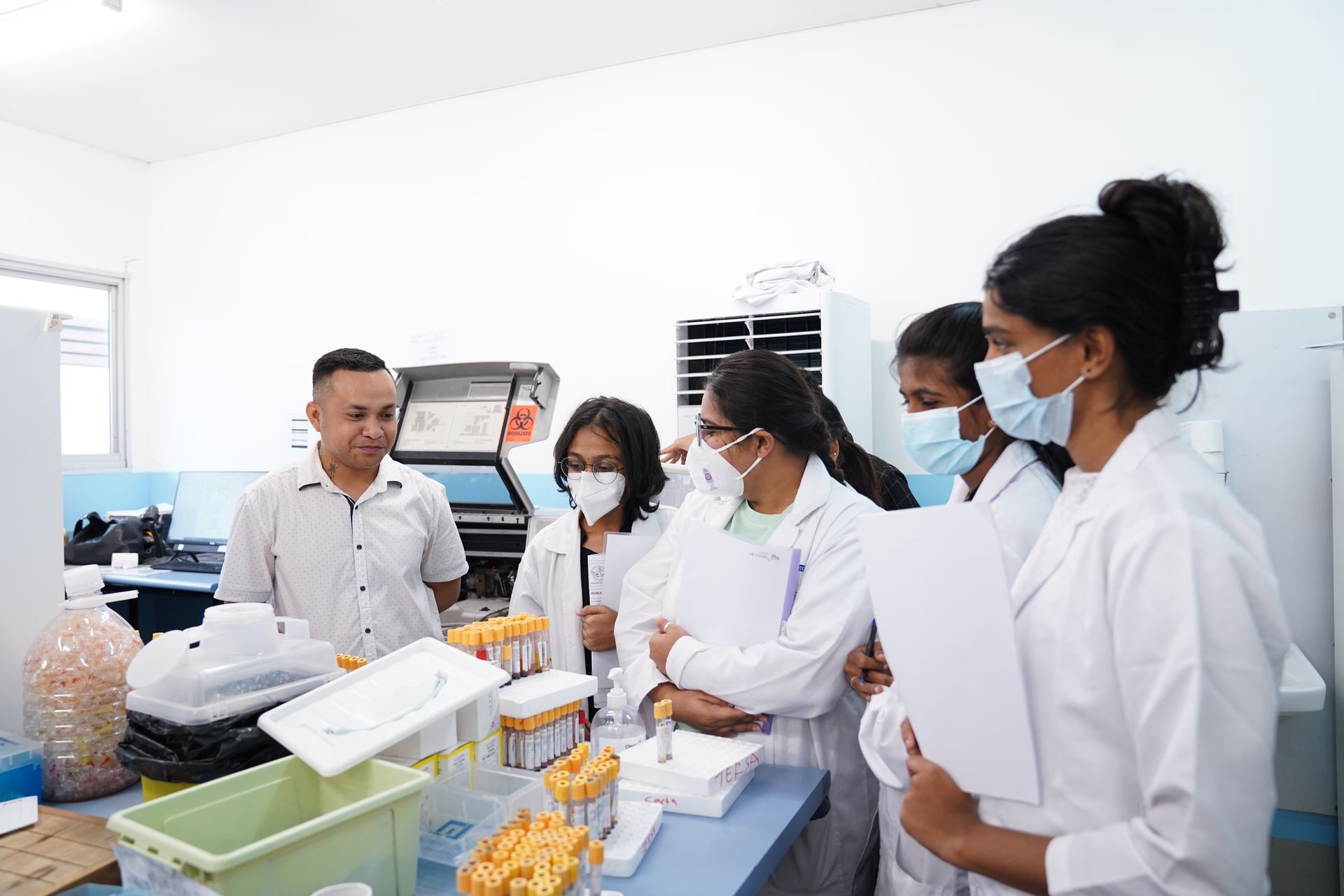
Students complete a one-week posting at the National Laboratory, INSPTL, Bidau, Díli — covering microbiology, tuberculosis, molecular biology, biochemistry and pathology.
UCT arranges daily shuttle service to hospitals and around Díli for clinical postings.
Clinical skill labs and WHO-supported simulation equipment help students practise procedures before real patient care.
Hospital postings are guided by experienced faculty so students build confidence with real cases, not textbooks alone.
Ask admissions how hospital postings, transport and internship are organised for the current intake.